Garden Clearance in Putney

Garden clearance in Putney should feel organised, practical and suited to the space you have, whether that means a compact town garden, a wider rear plot or a front area that has become difficult to manage. We clear away green waste, broken outdoor items and general garden clutter so you can regain a tidy, usable space without handling the heavy lifting yourself. The service is set up to be straightforward, with careful sorting and a clear focus on what needs to go.
Our garden clearance work can cover a wide range of materials, including branches, hedge cuttings, leaves, soil, old plant containers, damaged furniture and other unwanted outdoor items. Where useful, we separate recyclable material from general waste and keep the job as tidy as possible while loading. If you are planning seasonal maintenance, moving house or simply catching up after a long period of growth, this is a practical way to clear the area without delay.
For an organised start, you can get in touch with the details of what needs removing and ask for a quotation based on the work involved. If you already know the main items, that helps shape the estimate; if not, a brief overview is still useful. Clear access and a simple description of the garden are often enough to begin planning the removal.
Garden waste removal and green materials
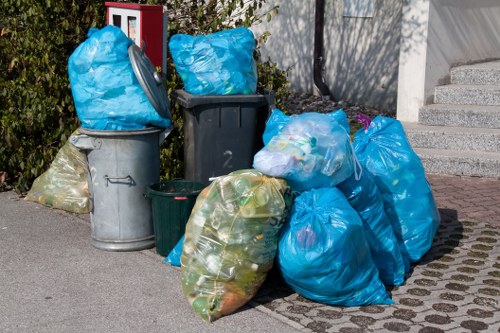
Garden waste removal is often the core of the job, especially after pruning, cutting back overgrown borders or clearing a neglected area. We remove loose organic material such as grass cuttings, hedge trimmings, branches and dead plants, along with heavier loads that may need more careful handling. When a garden has several different waste types, the practical approach is to separate them so recyclable green material does not get mixed unnecessarily with other refuse.
Many customers also need support with awkward items left outside over time, such as cracked pots, compost bags, broken planters or old edging that has come loose. These are not always part of a routine tidy-up, but they are commonly included in a proper clearance visit. The aim is to leave the space ready for further work, whether that next step is planting, lawn repair or a more detailed makeover.
What is commonly removed
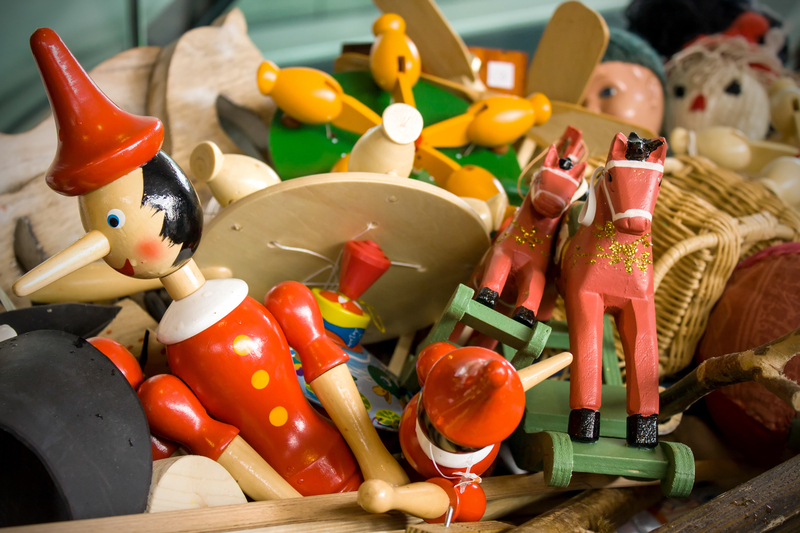
Typical garden clearance items include cuttings, soil, turf offcuts, roots, garden furniture, fencing remnants, children’s outdoor toys and weathered storage items. Some jobs are mostly green waste, while others combine outdoor clutter with household items that have been stored in sheds, side passages or corners of the garden. A good quotation reflects the actual mixture, volume and ease of loading rather than treating every job as the same.
Clearances for overgrown or neglected gardens
Overgrown gardens usually need a more measured approach than a simple seasonal tidy. Thick growth, tangled stems, hidden debris and damp waste can make the work slower, especially where access is narrow or where material has been piled in several places. We deal with the practical side of that clearance, lifting, carrying and sorting the contents so the site can be brought back under control in stages if needed.
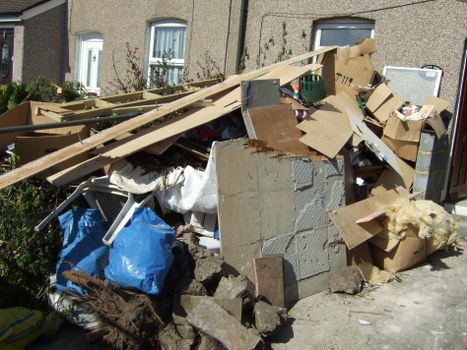
When a garden has not been maintained for a while, the clearance may involve more than cutting and bagging. There can be hidden items under foliage, forgotten garden equipment, collapsed storage, broken ornaments or sections of waste that have compacted over time. In these situations, the work is best planned around what is actually present, rather than assumptions. That keeps the quote realistic and the clearance process efficient.
Before booking, it is helpful to note any access limits, steep paths, side gates or areas where items are stacked tightly together. If a photograph or simple inventory is available, it can make quoting easier, though a short written description can still be enough for an initial estimate. Keep the focus on the main materials and where they are located, then ask for the most suitable quotation for the job.
Garden furniture, sheds and outdoor clutter
Many garden clearances in Putney involve more than soil and cuttings. Outdoor spaces often collect broken chairs, tables, parasols, plant stands, storage boxes and other items that no longer serve a purpose. We can remove these alongside ordinary garden waste, which is useful when a space has become a mix of old furniture, seasonal items and general debris. That combination is common and needs a tidy, structured approach.
Some outdoor clearances also include shed contents, damaged shelving, plant containers, sports equipment and miscellaneous items left after a move or renovation. Rather than treating these as separate problems, it is usually more efficient to clear them together if they are all part of the same area. This can save repeated handling and makes it easier to return the garden to a clean and usable condition.
For awkward or bulky pieces, the main decision is often whether they can be taken as part of a general garden clearance or whether they should be listed separately because of their size or condition. A brief check of the item list before the visit helps avoid confusion. Tell us what is staying and what needs to go, then request a quote that reflects the full clearance properly.
How garden clearance is planned

A sensible garden clearance starts with the main material types, the size of the load and how easy it is to reach the waste. Those three factors usually do most of the work in shaping the quote. A small pile of hedge trimmings is very different from a mixed garden clearance that includes branches, broken fencing and several bulky items. The clearer the description, the easier it is to match the service to the task.
Useful details often include whether waste is in one place or spread across the garden, whether it is dry or waterlogged, and whether there are narrow paths or steps involved. If you are comparing options, it can help to think in terms of the actual work required rather than the property itself. The same garden may be quick to clear in one season and much more involved in another, depending on how much has built up.
- List the main items needing removal.
- Note whether the waste is easy to reach.
- Mention if the garden has steps, gates or tight access.
- Say whether the job includes green waste, furniture or both.
- Ask for a quotation based on the full clearance, not just the obvious items.
Recycling, sorting and responsible disposal
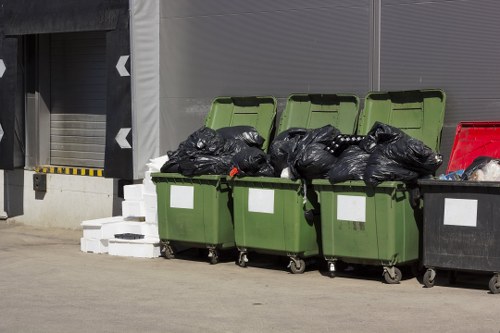
Responsible garden clearance is not only about removing waste quickly; it is also about handling different materials sensibly. Green waste, timber, metal, plastics and mixed refuse may all need different treatment once they have been loaded. Where the job allows, we sort items so recyclable material is handled separately from general waste. That practical separation can make a real difference when a garden contains a wide mix of debris.
Some outdoor waste is straightforward, while other items need a closer look before disposal. Old fencing, treated timber, soil-contaminated material and mixed garden clutter are not always suitable for the same route. Because of that, the work benefits from a structured approach rather than a rushed uplift. The better the sorting on site, the easier it is to deal with the material properly afterwards.
If your garden includes a mix of reusable, recyclable and general waste items, mention that when asking for a quotation. It helps to know whether the job is mainly green waste or whether it includes a broader clearance of outdoor possessions and damaged materials. A simple description now can prevent unnecessary back-and-forth later and keeps the whole process efficient.
About Putney
Putney is a district in southwest London within the London Borough of Wandsworth, set on the south bank of the River Thames opposite Fulham. It is known for Putney Bridge, a crossing that links the area to the north side of the river, and for Putney Heath, a large open space that gives a strong sense of landscape within an otherwise urban setting. The riverside has long shaped the district’s character, with embankments, moorings and views along the Thames forming a distinctive part of local life. Putney also has a notable place in political history: the Putney Debates of 1647 took place at St Mary’s Church during the English Civil War, linking the area to a major moment in constitutional discussion. The parish church itself remains one of the best-known historic buildings locally. Beyond the riverfront, Putney includes residential streets, commercial stretches and transport links that connect it closely with the wider city, while its green spaces, older buildings and busy high street create a mixture of urban movement and quieter neighbourhood identity. The area’s architecture ranges from Victorian and Edwardian housing to later apartment schemes, with pockets of conservation interest near the river and in established streets away from the centre. Putney Heath, Wandsworth Park and the Thames Path all add to the area’s outdoor character, while rowing and river activity remain closely associated with the district through its long sporting tradition. Together these features give Putney a varied and well-established local profile, combining heritage, open space and everyday London life in a way that is easy to recognise.
Domestic garden clearances and outdoor household items
Domestic garden clearances often overlap with household items that have been moved outside and left there for convenience. That can include old storage units, broken ornaments, pots, bagged items, unused tools and outdoor pieces that no longer fit the space. We can remove these as part of a wider garden clearance so the work is handled once, rather than split between several separate visits. This is especially useful where the garden has become a holding area for mixed possessions.
Some households want a simple tidy-up after a period of neglect, while others need the garden cleared before decorating, landscaping or a sale. The exact reason does not change the basics of the job: identify the items, note the access and ask for a quote that reflects the amount of material and the time needed to remove it. Where practical, a straightforward description is enough to begin.
If your outdoor space includes a few bulky items as well as ordinary garden waste, say so up front. It can help us shape the right service and avoid underestimating the work. For a clearer figure, send over the details and ask for a quotation that covers the full clearance rather than only part of it.
Handling heavy, wet or awkward garden waste
Not every garden clearance is made up of light cuttings and easy-to-carry bags. Some jobs involve wet leaves, saturated soil, tangled roots, heavy branches or dense mixed waste that takes more effort to move. These materials can be awkward because they are bulky, weighty or messy to handle, and they often need a careful loading sequence to keep the work manageable. That is why the condition of the waste matters as much as the type.
When material has been sitting out for a long time, it may have compacted, become waterlogged or mixed with soil and small debris. In these cases the job can be more involved than it first appears. A quotation based only on a quick glance may miss some of the work, so it is better to describe the condition clearly. This helps set realistic expectations and avoids surprises once the clearance begins.
Where access is tight, heavy waste can also take longer to move, especially if items must be carried by hand through side passages or down steps. In those circumstances, good planning is more important than speed. Send a simple summary of the heaviest items, the access route and the amount of garden waste involved, then request a quotation that reflects the real effort needed.
Garden clearance for tidy-ups and seasonal work
Seasonal garden tidy-ups are often the point when clearance work becomes necessary. After autumn leaf fall, spring cutting or a period of planting, the amount of waste can build up quickly. We remove the cuttings, leftover materials and unwanted items that make the garden feel cluttered, so the space is easier to maintain afterwards. A tidy-up is not just about appearance; it also makes ongoing garden care more manageable.
Some customers want a one-off clearance before starting new planting, while others are preparing for regular maintenance and need the space cleared first. In either case, the important part is deciding which materials are staying and which should be removed. Once that is clear, the work becomes more straightforward and the quotation can be based on the actual scope, not a vague idea of general tidying.
For a simple next step, keep your enquiry focused on the main items, access and approximate amount of waste. That gives enough information to prepare a useful estimate without overcomplicating the process. If you are ready, ask for a quotation today.