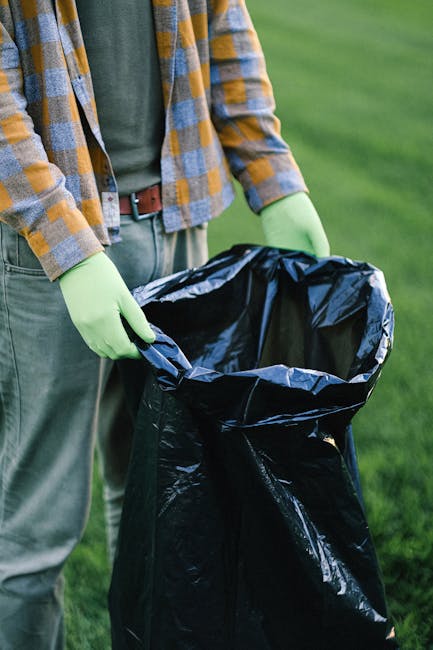
Putney Heath garden rubbish collection and clearance tips

If your garden in Putney Heath has reached that awkward point where bags, branches, old pots, and cuttings are quietly taking over, you are not alone. Garden tidy-ups start with good intentions, then somehow a small pruning job turns into a heap of green waste, broken fencing, and a compost bag that has seen better days. These Putney Heath garden rubbish collection and clearance tips are here to help you clear it properly, avoid common mistakes, and make the process feel a lot less like a weekend punishment.
Whether you are preparing for a full seasonal reset, dealing with storm damage, or just trying to get the patio back under control, a little planning makes a huge difference. In this guide, we will cover how garden rubbish collection works, what to sort first, how to stay safe, and when a professional clearance makes more sense than wrestling with it yourself. Simple enough. Useful enough. And yes, a bit less chaotic.
Why Putney Heath garden rubbish collection and clearance tips Matters
Garden waste looks harmless when it is spread out. A few prunings here, a dead hedge section there, a broken plant tray in the corner. Then the pile grows, gets damp, starts to smell a little earthy in the wrong way, and becomes harder to move. That is why sensible garden rubbish collection matters: it keeps the space usable, reduces trip hazards, and stops small jobs becoming full-scale clearances.
Putney Heath gardens also tend to be shaped by real life rather than showroom perfection. Narrow side access, mature planting, shared boundaries, and older fencing can all make clearance trickier than it first appears. If you are trying to bag waste up after a big cutback, you will notice quickly whether your setup is practical or not. A smart approach saves time, avoids back strain, and keeps the job tidy from start to finish.
It also helps with recycling and disposal. Green waste, soil, timber, old compost sacks, plastic ties, and broken garden furniture should not all be treated the same way. Sorting as you go makes removal easier and usually cleaner. And let's face it, nobody wants to load a van three times because the first pass was a bit of a guess.
How Putney Heath garden rubbish collection and clearance tips Works
Garden rubbish collection usually follows a straightforward pattern: identify the waste, sort it into sensible groups, make it safe to move, and then get it collected or removed in one organised sweep. The challenge is not the theory. It is the practical bit, especially when the garden is wet, uneven, or packed with awkward materials.
In most cases, you will be dealing with several waste streams at once:
- Green waste such as grass cuttings, hedge trimmings, leaves, and small branches
- Woody waste like thicker branches, twigs, old trellis, and untreated timber
- Mixed garden rubbish including pots, broken ornaments, bagged soil, and plastic plant supports
- Bulky items such as garden furniture, planters, sheds in pieces, or damaged tools
The safest way to deal with it is to break the work into stages. For example, cut back the greenery first, then deal with bagging, and finally move the awkward or heavy items. If the job is too large for a standard bin collection, a dedicated clearance service or wider waste removal solution can save you a lot of time.
Professional garden clearance usually includes loading, transport, and disposal or recycling of the waste, though the exact service scope can vary. Some jobs are simple front-garden clear-outs; others involve dismantling, loading from the rear, and careful handling through tight access. Truth be told, the access point matters almost as much as the waste itself.
Key Benefits and Practical Advantages
Clear, well-organised garden rubbish collection does more than make things look neat. It changes how the whole space feels and functions. A cleared garden is easier to maintain, safer to move through, and much more inviting when you actually want to use it.
Here are the main advantages:
- Better safety - fewer trip hazards, less chance of hidden nails or sharp debris, and easier access for children or visitors
- Faster garden maintenance - once the clutter is gone, regular mowing, pruning, and sweeping take less effort
- Improved appearance - a clean, open outdoor space instantly feels more cared for
- More efficient recycling - separated green waste and reusable materials are easier to process responsibly
- Less physical strain - smaller loads and proper handling reduce the risk of sore backs and strained shoulders
There is also the practical benefit of momentum. Once a garden is half-cleared, people often feel encouraged to finish the rest. You know the feeling: one tidy corner makes the whole place look possible again. That psychological lift is real, and it matters.
For larger outdoor jobs that spill into sheds, garages, or old stored items, some homeowners combine garden waste clearance with a broader garage clearance or home clearance so the whole property can reset in one go.
Who This Is For and When It Makes Sense
This topic is useful for anyone dealing with a garden that has outgrown normal bin capacity or simple DIY tidying. That could be a homeowner, a tenant preparing to move, a landlord getting a property ready, or a family dealing with a neglected outdoor space after a long period of use.
It makes particular sense when:
- you have just completed a major prune or hedge cut
- stormy weather has scattered branches, pots, and debris
- you are preparing for landscaping or new planting
- the garden contains old timber, broken furniture, or mixed rubbish
- access to the back garden is awkward and waste needs careful moving
- you simply do not have the time, energy, or equipment to do it properly yourself
It is also worth saying that garden waste is rarely just garden waste. A quick tidy can reveal half-buried plant supports, collapsed bags of compost, rusty tools, or forgotten bits from a long-ago project. That is normal. A bit annoying, yes. But normal.
If the outdoor mess is tied to a larger house move, bereavement, renovation, or a long-overdue property reset, you may also find it useful to look at house clearance or flat clearance options that can handle multiple categories of waste in one organised visit.
Step-by-Step Guidance
If you want the job to feel manageable, follow a simple sequence. The goal is not perfection. It is control.
- Walk the garden first
Look for obvious waste piles, loose branches, sharp scraps, and anything that needs lifting with two hands. Check access paths too. If you have to carry bags through a narrow side return, plan the route before you start. - Separate the waste types
Keep green waste, timber, plastics, metal, and general rubbish apart where possible. This helps you load faster later and makes recycling more straightforward. - Cut down bulky green waste
Long branches and hedge cuttings are easier to handle when trimmed into shorter lengths. Do not overfill sacks. They become awkward quickly, especially when wet. - Deal with sharp or heavy items early
Broken terracotta, cracked edging, rusty hooks, and hidden screws are the sort of things that cause nuisance injuries. Remove them before you start carrying larger loads. - Bag and stack logically
Heavier waste should stay low and stable. Lighter green waste can go on top or into separate bags. Keep walkways clear as you go. - Load in a sensible order
Flat items first, then bulkier pieces, then loose waste. If you are using a van or arranging a collection, the order you load in affects how much you can take away in one trip. - Do a final sweep
Once the main rubbish is gone, give the area a slow look over. Small bits of plastic, twine, and broken canes are easy to miss. This is the bit people skip, and then regret later.
A good rule of thumb: if it looks like it will poke, snag, smell, spill, or collapse, handle it separately. No drama, just common sense.
Expert Tips for Better Results
After enough garden clearances, a few habits stand out. They are not flashy, but they save time and hassle.
- Work from the edge inward so you do not keep walking over freshly cleared ground.
- Use breathable bags for green waste when possible; soggy sealed bags get heavier and less pleasant very quickly.
- Keep a separate pile for reusable items like pots, tools, or decent timber. Reuse is often easier than replacement.
- Check for hidden damp under old tarps, planters, and stacked materials. Moisture adds weight and can disguise decay.
- Move slowly on uneven paving, especially if moss, mud, or rain has made the surface slippery.
- Schedule clearance before the waste becomes compacted. Fresh cuttings are easier to manage than a week-old mound that has started to settle and rot.
One practical tip many people overlook: if you are pruning on a sunny afternoon, do the collection while the cuttings are still dry enough to handle. By the next morning, after one of those moody London evenings, everything may be heavier and far less cooperative.
For mixed outdoor jobs, it can also help to see whether you have more than garden waste. Old furniture, broken shelving, or interior clutter often gets moved outdoors during a clean-up. In that case, services like furniture disposal or furniture clearance may be relevant alongside the garden work.
Common Mistakes to Avoid
Most clearance problems are not dramatic. They are just small mistakes repeated until the job becomes harder than it should be.
- Overfilling bags - a bag that is too heavy is slower to move and easier to split.
- Mixing sharp waste with soft waste - thorny stems, broken glass, and metal fragments should be isolated.
- Ignoring access routes - if the path is blocked by a wheelbarrow, pile of stones, or old furniture, you will waste time later.
- Leaving waste to sit too long - damp green waste decomposes, smells, and becomes more cumbersome to move.
- Assuming everything can go in normal household bins - garden waste often exceeds what local collections can sensibly take.
- Forgetting the final sweep - tiny debris is what makes a garden feel unfinished.
Another common one: people start by clearing the prettiest part first. It sounds harmless, but it can leave the ugliest, heaviest pile for last when energy is already low. Better to tackle the awkward stuff while you are still fresh.
Tools, Resources and Recommendations
You do not need a garage full of specialist kit to clear garden rubbish well, but the right basics make the job easier.
| Tool or item | Best use | Why it helps |
|---|---|---|
| Heavy-duty gloves | Handling thorny, rough, or sharp waste | Protects hands and improves grip |
| Garden sacks or robust bags | Green waste and mixed light debris | Keeps loads manageable |
| Secateurs or loppers | Cutting branches and thick stems down | Makes waste easier to stack and carry |
| Wheelbarrow or garden trolley | Moving heavier loads over short distances | Reduces back strain |
| Tarpaulin | Temporary waste staging | Keeps the ground cleaner and makes loading easier |
| Rake and broom | Final sweep of leaves and scraps | Leaves the garden properly finished |
If you are arranging a more substantial clearance, look at providers that explain their process clearly and show how they handle disposal, recycling, and safe loading. The site pages on pricing and quotes and recycling and sustainability are good examples of the sort of information customers usually want before they book.
You may also want reassurance around safety and responsibility. That is where pages such as insurance and safety and health and safety policy help build trust. For many people, that matters just as much as the price.
Law, Compliance, Standards, or Best Practice
For garden rubbish collection in the UK, a few common-sense standards matter. Waste should be handled safely, transferred to an appropriate disposal route, and kept separate where recycling or reuse is practical. If you are hiring a clearance service, it is reasonable to ask how they manage waste transfer, sorting, and site safety.
Best practice usually includes:
- sorting recyclable and non-recyclable materials where practical
- avoiding unsafe loading that could damage property or injure workers
- keeping access paths clear and reducing slip or trip hazards
- handling sharp, rotten, heavy, or contaminated waste separately
- using clear pricing and clear scope so everyone knows what is included
If your clearance includes more than garden waste, particularly bulky domestic items, it can be sensible to check related service pages such as house clearance or office clearance where the waste mix or access needs may be different. For business premises, business waste removal can be more appropriate than a one-off domestic approach.
One careful point: garden waste rules and collection arrangements can vary by local area and by the type of service booked. So rather than assuming one fixed process, it is better to confirm what is accepted, how it is sorted, and what happens after collection. That little check can save a lot of grief later.
Options, Methods, or Comparison Table
There is no single right way to clear garden rubbish. The best method depends on waste volume, access, time, and how much lifting you want to do yourself.
| Method | Best for | Pros | Trade-offs |
|---|---|---|---|
| DIY bagging and binning | Small amounts of green waste | Low cost, simple, flexible | Time-consuming, limited capacity |
| Self-hire van or trailer | Medium-sized clearances with good access | Can move more in fewer trips | Loading effort, parking, disposal planning |
| Professional garden clearance | Large, mixed, or awkward clearances | Fast, efficient, less physical effort | Usually higher upfront cost than DIY |
| Combined property clearance | Garden waste plus household or bulky items | One organised job, fewer disruptions | Needs a broader scope and clear planning |
For most people, the tipping point is not just volume. It is awkwardness. A few bags of leaves are manageable. A tangle of branches, broken pots, heavy soil, and a dismantled bench on the same day? That is where professional help starts to look very reasonable.
Case Study or Real-World Example
Imagine a typical Putney Heath back garden after a busy spring weekend. A hedge has been cut back, three bags of clippings are sitting by the shed, an old planter has cracked, and there is a pile of damp branches leaning against the fence. Nothing dramatic. But it is enough to make the space feel cramped and unfinished.
The first mistake would be to start dragging everything at once. Better to sort it by type. The soft clippings go into sacks, the thicker branches are cut down to shorter lengths, and the broken planter is set aside so it does not crumble into smaller pieces as it is moved. The path to the side gate is then cleared before anything heavy is lifted. It sounds basic. It is basic. But it works.
In a case like this, the whole garden can usually be made manageable in a single visit if the waste is grouped sensibly and access is ready. If there were also old patio chairs, damaged storage boxes, or leftover household items sitting outside, combining the job with furniture clearance can avoid multiple collections and reduce disruption.
The final result is not just a tidy corner. It is a garden that feels usable again. You can hear yourself think. The paving is visible. The space breathes a bit. And honestly, that moment when the last bag disappears is oddly satisfying.
Practical Checklist
Use this quick checklist before you start any garden rubbish collection or clearance:
- Walk the garden and identify all waste piles
- Separate green waste from timber, plastics, and mixed rubbish
- Check for sharp, rotten, or heavy items
- Clear the path to the collection point
- Get gloves, sacks, and cutting tools ready
- Cut long branches into smaller sections
- Do not overfill bags
- Keep reusable items aside
- Do a final sweep for twine, screws, and small debris
- Confirm whether you need a broader clearance for other bulky waste
Expert summary: the cleanest garden clearances are usually the boringly organised ones. Sort first, lift safely, load in stages, and leave a final sweep at the end. It is not glamorous, but it saves time, money, and a surprising amount of frustration.
Get a free quote today and see how much you can save.
Conclusion
Putney Heath garden rubbish collection and clearance tips are really about making the work feel manageable. Once you separate waste types, plan the route, and deal with the awkward bits first, the whole job becomes much less daunting. That is the difference between a garden that lingers in the "I should deal with that" zone and one that feels calm, open, and ready to use.
If your waste is light and the access is easy, a careful DIY approach can work well. If the pile is mixed, bulky, or simply more than you want to wrestle with, a professional clearance is often the neatest route. Either way, the key is to act before the mess settles in and becomes part of the scenery. Gardens are meant to be lived in, after all.
When you are ready to take the next step, choose the approach that saves your time, protects your back, and leaves the space properly finished. Small win, big relief. And that is a pretty good trade.
Frequently Asked Questions
What counts as garden rubbish in a Putney Heath clearance?
Garden rubbish usually includes grass cuttings, hedge trimmings, leaves, twigs, branches, plant pots, soil in manageable quantities, broken outdoor items, and some mixed outdoor clutter. The exact mix depends on the job. If in doubt, separate the waste first and then decide how to dispose of it safely.
Is green waste the same as general garden rubbish?
No, not really. Green waste is the organic stuff from the garden, such as cuttings, leaves, and small branches. General garden rubbish can also include plastic, metal, broken furniture, soil, and other mixed items. Sorting them separately usually makes collection and recycling easier.
How do I make garden waste easier to collect?
Cut long branches into smaller sections, avoid overfilling bags, keep paths clear, and group waste by type. A wheelbarrow or tarp can also help if you are moving material through a narrow side access. Small changes make a big difference, which sounds obvious, but people skip it all the time.
Can I mix garden waste with old furniture or household rubbish?
You can physically mix it, but it is usually not the best idea. Mixed loads are harder to sort, lift, and recycle properly. If your outdoor tidy-up has exposed old household items too, it may make more sense to look at broader services like home clearance or furniture disposal.
What is the safest way to move heavy garden rubbish?
Lift with your legs, not your back, and do not try to carry more than you can control. Use two hands for awkward items, split heavy loads into smaller ones, and take extra care on wet paving or uneven surfaces. If something feels too heavy or unstable, it probably is.
How often should I clear garden rubbish?
That depends on how actively the garden is used. Many people do light tidy-ups regularly and book a bigger clearance after seasonal pruning, storm damage, or landscaping work. The best schedule is the one that stops waste from building up into a headache.
Do I need a professional service for a small garden clear-out?
Not always. If it is only a few bags of cuttings and a light tidy, DIY may be enough. A professional service becomes more useful when the waste is bulky, access is awkward, or you want the job finished quickly without multiple trips.
What should I check before booking garden clearance?
Check what waste types are accepted, how access will work, whether loading is included, and how pricing is explained. It is also sensible to review safety and sustainability information, such as the provider's recycling and sustainability approach and their insurance and safety page.
Can garden waste be recycled?
Much of it can, especially green waste and some untreated natural materials. However, mixed or contaminated loads may need different handling. Recycling depends on what is in the pile and how well it has been sorted. That is why a tidy, separated load is always better.
What if my garden waste includes old timber or shed parts?
Old timber, dismantled fencing, and shed parts usually need separate handling from soft green waste. If the structure is large or awkward, a broader clearance may be a better fit than basic bag collection. For larger outdoor dismantling jobs, builders waste clearance can sometimes be relevant too, depending on the materials involved.
How do I keep the garden safe during clearance?
Keep walkways clear, store sharp items separately, wear gloves, and avoid lifting damp or unstable piles without checking them first. Children and pets should stay away from the work area until the space is fully cleared. It is a simple rule, but one worth repeating.
Is there a difference between garden clearance and general waste removal?
Yes. Garden clearance is more focused on outdoor, green, and landscaping-related waste. General waste removal can cover a much broader mix. If your job extends beyond the garden, a wider removal service may be more efficient overall.
What is the best next step if I want the garden cleared properly?
Start by sorting the waste and estimating how much there is. Then decide whether you can handle it yourself or whether a professional collection would save time and effort. If you want to compare options or ask about a specific job, it is worth reviewing pricing and quotes and reaching out when you are ready.