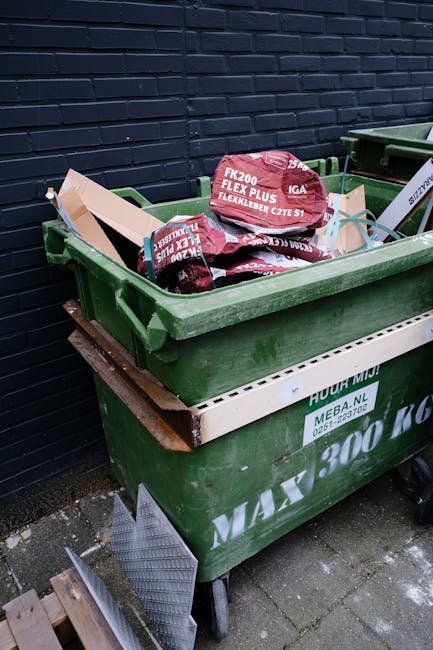
Putney Station rubbish removal for flats and HMOs: a practical guide for landlords, residents, and managing agents
If you live, manage, or let property near Putney Station, rubbish has a habit of becoming a bigger problem than it should. One skipped bin day, one tenant move-out, one old sofa left in the communal hallway, and suddenly the whole building feels cluttered, awkward, and a bit run down. Putney Station rubbish removal for flats and HMOs is really about keeping shared homes moving smoothly: fast clearances, sensible access planning, and waste taken away without disturbing neighbours more than necessary.
In a flat or HMO, rubbish removal is rarely just "take the bags out". You are dealing with tight stairwells, shared entrances, resident routines, recycling separation, bulky furniture, and sometimes a bit of urgency. This guide walks through how the process works, what to expect, common mistakes to avoid, and the best way to handle waste near Putney Station in a way that feels tidy, lawful, and properly organised. No fluff. Just the useful stuff.
Contents
- Why Putney Station rubbish removal for flats and HMOs Matters
- How Putney Station rubbish removal for flats and HMOs Works
- Key Benefits and Practical Advantages
- Who This Is For and When It Makes Sense
- Step-by-Step Guidance
- Expert Tips for Better Results
- Common Mistakes to Avoid
- Tools, Resources and Recommendations
- Law, Compliance, Standards, or Best Practice
- Options, Methods, or Comparison Table
- Case Study or Real-World Example
- Practical Checklist
- Conclusion
- Frequently Asked Questions
Why Putney Station rubbish removal for flats and HMOs Matters
Shared housing creates shared responsibility, and that is where things get tricky. In a single-family home, waste is usually straightforward. In a flat block or HMO, you have multiple people generating rubbish at different times, often with different standards of tidiness. One resident might neatly sort recycling while another leaves broken furniture beside the bins. You will notice the difference quickly.
Near Putney Station, this matters even more because local living patterns tend to be busy and compressed. Commuter schedules, limited parking, narrow streets, and busy entrances can make waste collection feel like a small operation rather than a simple chore. When rubbish builds up, the impact is immediate: odours, blocked access, complaints from residents, and extra pressure on landlords or managing agents.
There is also the reputational side. A messy shared property can look neglected, even if the internal rooms are fine. For HMOs especially, that can affect tenant satisfaction and make day-to-day management harder. A clean communal area does not solve every problem, of course, but it makes the whole place feel more under control. And honestly, that helps more than people expect.
If you already deal with wider clearances across the property, it can help to think in categories. Flat clearance is often relevant for end-of-tenancy clean-outs, while house clearance can be useful where a property is being emptied more broadly. For mixed waste situations, waste removal is the more flexible umbrella service.
How Putney Station rubbish removal for flats and HMOs Works
The process is usually simpler than people imagine, but it does need planning. In most cases, rubbish removal for flats and HMOs follows a few clear stages: assess the waste, confirm access, remove items safely, separate what can be recycled, and leave the area tidy. That is the ideal. The reality is a bit messier sometimes, especially in buildings with tight staircases or restricted parking.
Good providers will ask the right questions before they arrive. What kind of waste is it? Is it bagged or loose? Are there bulky items like beds, mattresses, desks, wardrobes, or white goods? Is the waste in a basement, loft, top-floor flat, or communal bin store? Can a vehicle stop nearby, or will the team need to carry items out by hand for a distance?
For HMOs, timing matters as much as lifting. A removal team that turns up at the wrong hour can create noise complaints or interfere with tenants working from home. A well-run booking usually means agreeing a realistic time window, preparing the waste beforehand, and making sure access details are clear. That sounds basic, but it saves a lot of back-and-forth.
Many flats also generate mixed loads, not just general rubbish. Think of broken chairs, old mattresses, flat-pack packaging, loose black bags, carpets, damaged shelving, and left-behind furniture after tenants move out. For individual items, furniture disposal and furniture clearance can be the most direct options.
Key Benefits and Practical Advantages
The obvious benefit is getting rid of waste. But the real value is broader than that. In shared buildings, proper rubbish removal improves safety, reduces friction between residents, and keeps management problems from snowballing.
- Faster turnaround: bulky waste and accumulated bags can be cleared in one visit rather than dragged out over several days.
- Less disruption: a planned clearance is usually quieter and less stressful than repeated bin runs.
- Safer common areas: fewer trip hazards in hallways, stairwells, and entrance spaces.
- Better building presentation: clean shared spaces feel more cared for and more welcoming.
- Reduced resident complaints: if waste is handled properly, there is less chance of odours, pests, or blocked access.
- Better recycling outcomes: clear sorting makes it easier to divert suitable items away from disposal.
There is also a subtle but important benefit for landlords and managing agents: it creates predictability. Instead of reacting to mess after it has become embarrassing, you can deal with it on a schedule. That is often the difference between a property that feels managed and one that feels like it is always catching up.
For larger shared properties, especially those with recurring waste from tenants, contractors, or repairs, it may be worth pairing this with business waste removal where the waste stream is more commercial in nature. If the issue includes renovation debris, builders waste clearance may be a better fit. Not everything belongs in the same bucket, so to speak.
Who This Is For and When It Makes Sense
This service is useful for a few very different groups, and the reason each one calls can vary quite a lot.
Landlords often need waste removed after tenant changes, forgotten belongings, or poor waste habits in communal areas. A flat can look fine on paper and still need a proper reset after a move-out. We have all seen the chair with one broken leg that somehow lives in the corner for three weeks. It happens.
HMO managers and letting agents usually care most about access, speed, and tenant relations. In shared housing, rubbish can become a recurring issue rather than a one-off event, so a reliable clearance plan matters.
Tenants may need help if they are moving out, downsizing, or simply clearing an accumulated room after months or years. Sometimes the job is not huge, just awkward. A bed base, a desk, two shopping trolleys worth of forgotten items in the cupboard... suddenly the lift is too small and the stairwell is too narrow.
Property managers may also use rubbish removal after refurbishments, inspections, or fire safety reviews where items must be removed from communal areas. If the property includes storage spaces that have become catch-all zones, a more comprehensive service like loft clearance or garage clearance may be relevant, depending on the layout.
It makes sense when:
- the bins are overflowing regularly
- bulky items cannot be left safely for normal collection
- there is a tenant changeover or end-of-tenancy clean-up
- shared areas need to be made safe and presentable quickly
- you want a single, planned clearance rather than repeated small efforts
Step-by-Step Guidance
If you are organising rubbish removal near Putney Station, a simple process works best. Here is the practical version.
- Identify the waste. Separate general rubbish, recyclable material, bulky furniture, electrical items, and anything potentially hazardous.
- Check access. Note staircases, lift availability, parking constraints, loading points, and whether the team will need to carry waste through a shared entrance.
- Measure or estimate volume. You do not need exact maths. A rough idea of how many bags, chairs, mattresses, or boxes is usually enough.
- Choose the right service type. A small room clear-out is different from a whole-flat or communal-area clearance.
- Book a suitable time. Try to avoid peak resident movement, school runs, or other busy windows if possible.
- Prepare the space. Move delicate items, keep corridors clear, and label anything that must stay.
- Confirm disposal expectations. Ask how recyclable material and reusable items are handled.
- Do a final walk-through. Once the waste is gone, check bins, shared corners, and hidden spots like behind doors or under stairs.
A small tip: if a property has repeated waste issues, keep a simple log. Nothing fancy. Just dates, what was removed, and any access problem. That little habit can save time later when you need to spot patterns.
Expert Tips for Better Results
In our experience, the best outcomes come from good preparation, not heroic lifting. A few small adjustments make the whole job smoother.
- Group items by type before collection. Bags together, furniture together, recyclables together. It helps speed up loading and sorting.
- Clear a route first. Hallways and stairs should be free of shoes, bikes, prams, and random clutter. Shared buildings collect these things like magnets.
- Label anything that must remain. In HMOs, people often assume something is rubbish if it looks abandoned. A label prevents awkward mistakes.
- Choose daylight where possible. A bright morning slot is simply easier for checking corners, doorways, and bin stores.
- Plan for parking and lifting distance. This one matters more than people think. Fifty metres of carry space changes the whole job.
- Don't wait too long. A small pile can become a mouldy, smelly, argumentative pile by next week. Bit dramatic, but true.
For businesses or multi-unit properties that generate waste repeatedly, it can also help to review recycling and sustainability practices. Good waste handling is not just about speed; it is about making the stream easier to manage next time too.
Common Mistakes to Avoid
A lot of waste problems in flats and HMOs come from the same handful of mistakes. If you avoid these, you are already ahead.
- Leaving everything until the last minute. This leads to rushed bookings, poor access planning, and extra stress.
- Mixing normal rubbish with hazardous items. Paint, sharps, chemicals, and electrical waste need careful handling.
- Ignoring communal rules. Shared entrances, bin stores, and loading bays often have their own house rules or management expectations.
- Assuming one service fits all. A furniture-heavy job, a builders' clear-up, and a routine waste job are not identical.
- Not checking what can be recycled. Reusable furniture and recyclable material are often thrown together when they do not need to be.
- Forgetting about resident communication. In an HMO, people need to know when access will be limited, even briefly.
One of the most common slip-ups is the "I thought someone else was dealing with it" problem. In shared homes, responsibility can become very blurry, very quickly. That is why one clear contact person is so useful.
Tools, Resources and Recommendations
You do not need a van full of equipment to manage this well, but a few practical tools make life easier.
- Heavy-duty bin bags: useful for loose rubbish and mixed general waste.
- Labels or tape: helpful for marking keep items, recycling, or items awaiting collection.
- Gloves and basic PPE: sensible for anyone sorting waste before removal.
- Measuring tape: handy for awkward furniture and stairwell bottlenecks.
- Building access notes: a written reminder of door codes, parking limits, and concierge instructions.
- Property photos: useful when you are requesting a quote or planning a clearance.
If you want a sense of a provider's broader approach, pages like about the team, insurance and safety, and health and safety policy are worth reviewing. They help you judge whether the operation looks organised and sensible, which matters a lot in shared buildings.
For pricing questions, pricing and quotes is the natural place to start. And if you have a practical question that is specific to your property, the contact page is there for that next step.
Law, Compliance, Standards, or Best Practice
Waste handling in the UK comes with responsibilities, especially if you are managing a property rather than just clearing your own room. The safest approach is to follow recognised best practice: use a properly licensed waste carrier, keep waste out of shared escape routes, and separate items that should not go into general rubbish.
For flats and HMOs, the compliance side often comes down to practical duties rather than complicated legal language. Shared areas should remain safe and accessible. Waste should not block exits, create a fire risk, or attract pests. If you are the landlord or managing agent, you also have to think about tenant communication and any house rules around disposal.
Special care is needed for items like electrical goods, fridges, mattresses, and anything that could be considered hazardous. You do not want guesswork here. If something looks uncertain, treat it cautiously and ask before putting it into the waste stream.
A few best-practice principles are worth keeping in mind:
- keep records of clearances where appropriate
- make sure access routes stay safe during removal
- avoid mixing reusable items with contaminated waste
- confirm how bulky items will be handled before the team arrives
- use a provider that can explain disposal and recycling clearly
That last point is especially useful. If a company cannot explain the basics plainly, it is usually a sign to pause. Good operators should be able to describe their process without sounding like they are reading from a stiff script. Simple is good.
Options, Methods, or Comparison Table
There are several ways to handle rubbish in flats and HMOs. The right one depends on volume, urgency, and whether the waste is general, bulky, or mixed with furniture.
| Method | Best for | Strengths | Limitations |
|---|---|---|---|
| Routine bin collection | Regular household waste | Simple, low effort, predictable | Not suitable for bulky items or overflow |
| DIY trips to a disposal point | Small one-off loads | Can be cost-effective for tiny amounts | Time-consuming, parking and transport hassle |
| Targeted rubbish removal | Bulky waste, mixed bags, end-of-tenancy debris | Quick, practical, less stress in shared buildings | Needs access planning and upfront coordination |
| Full property clearance | Whole flats, vacant HMOs, storage rooms | Best for large jobs and resets | More planning and usually more cost |
To be fair, most people near Putney Station are not trying to choose between ten perfect options. They just need the least painful one. For a single sofa and a few bags, targeted removal is usually enough. For a vacant room that has become a small ecosystem, a more complete clearance may make far more sense.
Case Study or Real-World Example
Here is a realistic example. A managing agent for a small HMO near Putney Station notices that the communal hallway keeps filling with left-behind items after tenant changes: an old desk chair, two broken bedside cabinets, bags of mixed rubbish, and some packaging from a flat-pack bed that never quite got assembled. Nothing dramatic on its own. But together, it makes the entrance look untidy and blocks a narrow stretch of the landing.
Instead of trying to deal with it piecemeal, they schedule one organised clearance. The team is told in advance that access is via a second-floor stairwell, with limited parking and a tight turning area outside. The waste is grouped beforehand, labels are added for items that must remain, and the communal route is cleared before arrival. The result is straightforward: less time on site, fewer mistakes, and a much better first impression when residents come and go that evening.
The nice thing about this kind of job is that it does not need to be dramatic to be effective. A tidy hallway, no stray rubbish, no argument about who left what where. Sometimes that is the whole win. Small thing, big relief.
Practical Checklist
Use this checklist before arranging rubbish removal for a flat or HMO near Putney Station.
- Confirm what needs removing: bags, furniture, electricals, mixed waste, or all of the above.
- Check access details: stairs, lift, parking, entry codes, and loading distance.
- Decide whether the job is a small clearance or a larger reset of the property.
- Separate anything reusable from general rubbish where possible.
- Move items that must stay and label them clearly.
- Warn tenants or residents if communal access will be briefly affected.
- Keep hallways and exits clear before the team arrives.
- Ask how bulky items, furniture, and recycling will be handled.
- Review pricing and payment details in advance.
- Do a final walk-through after collection.
Expert summary: the smoother the access and sorting, the smoother the clearance. In flats and HMOs, that is usually the difference between a 20-minute headache and a clean, organised fix.
Get a free quote today and see how much you can save.
Conclusion
Putney Station rubbish removal for flats and HMOs is about more than waste. It is about keeping shared homes safe, presentable, and easy to live in. It is about reducing tension between residents, protecting common areas, and dealing with awkward clear-outs before they turn into a bigger problem. And frankly, it is just nicer to walk into a building that does not smell faintly of damp cardboard and regret.
If you plan access carefully, separate waste sensibly, and choose the right level of service for the job, the whole process becomes far less stressful than people expect. Whether you are a landlord, a tenant, or a managing agent, a good clearance can reset the space and give everyone a better start. That is worth doing properly.
If you want help with a flat, HMO, or mixed waste job, start with the most relevant service pages and move from there: flat clearance, furniture disposal, and waste removal are all sensible starting points for common property clear-outs.
Then take a breath, get the details together, and tackle it once. That is usually the nicest way through.
Frequently Asked Questions
What counts as rubbish removal for flats and HMOs near Putney Station?
It usually means collecting and taking away general waste, bagged rubbish, bulky items, and sometimes mixed items left in communal or private areas. In flats and HMOs, it often includes stairwell clearances, end-of-tenancy waste, and furniture that normal collections will not take.
Do I need to sort the waste before collection?
Some sorting helps a lot, especially if you have a mix of furniture, bags, and recyclable items. You do not always need perfect separation, but keeping things grouped and accessible makes the job quicker and reduces mistakes.
Is this suitable for a single flat as well as an HMO?
Yes. A single flat may just need a small clear-out or a bulky item removal, while an HMO often needs shared-area waste removal or a larger refresh after tenant turnover. The same general service can often cover both, depending on scale.
How do access issues affect the job?
Access can change everything. Narrow stairwells, no lift, parking restrictions, and long carry distances all affect timing and planning. It is better to mention these details upfront than to deal with surprises on the day.
Can old furniture be removed from a flat or HMO?
Usually yes, provided the provider handles bulky items. Sofas, beds, wardrobes, desks, and similar furniture are common in these clearances. If the items are especially heavy or awkward, clear access notes are important.
What should landlords do after a tenant leaves rubbish behind?
First, assess what is actually there and whether any items are important or personal. Then arrange a clearance that suits the size and access of the property. If there is furniture, mixed waste, or shared hallway clutter, a proper removal is often the quickest solution.
Is there a difference between waste removal and flat clearance?
Yes, broadly. Waste removal is the wider term and can cover mixed rubbish, while flat clearance usually suggests a more complete emptying of a room or property. In practice, there is some overlap, but the wording helps set expectations.
What if the property also has storage spaces full of junk?
That is common. Loft spaces, garages, and similar storage areas often become overflow zones. In those cases, loft clearance or garage clearance may be more relevant than a simple waste pick-up.
How can I tell if a provider is trustworthy?
Look for clear explanations, sensible policies, and a straightforward quote process. Pages such as about us, insurance and safety, and terms and conditions help show whether the company takes the job seriously.
What is the best time to book rubbish removal for a shared property?
Usually a time that avoids peak tenant movement, school runs, or noisy periods in the building. Morning slots are often easiest, but the best time is the one that gives clear access and minimal disruption. Simple answer, really.
Can waste be recycled rather than sent straight to disposal?
Often yes, depending on what the waste is and whether it has been contaminated. Reusable furniture, cardboard, metal, and some other materials may be suitable for recycling or diversion. A sensible provider should be able to explain that clearly.
What should I do if I am unsure how much waste there is?
Take a few photos, make a rough list, and describe the items honestly. You do not need to over-measure everything. A clear description is usually enough to get a practical quote and avoid awkward surprises later.